Reading the wear in vintage denim
Faded denim records movement, washing and finishing. Color alone cannot tell you the age of jeans or the life left in them. To judge a vintage pair, compare the faded area with the fabric underneath and around it. A pale but sound knee can give years of wear; a small dark spot at a strained seam can be ready to split.
Scovely editors · November 19, 2026
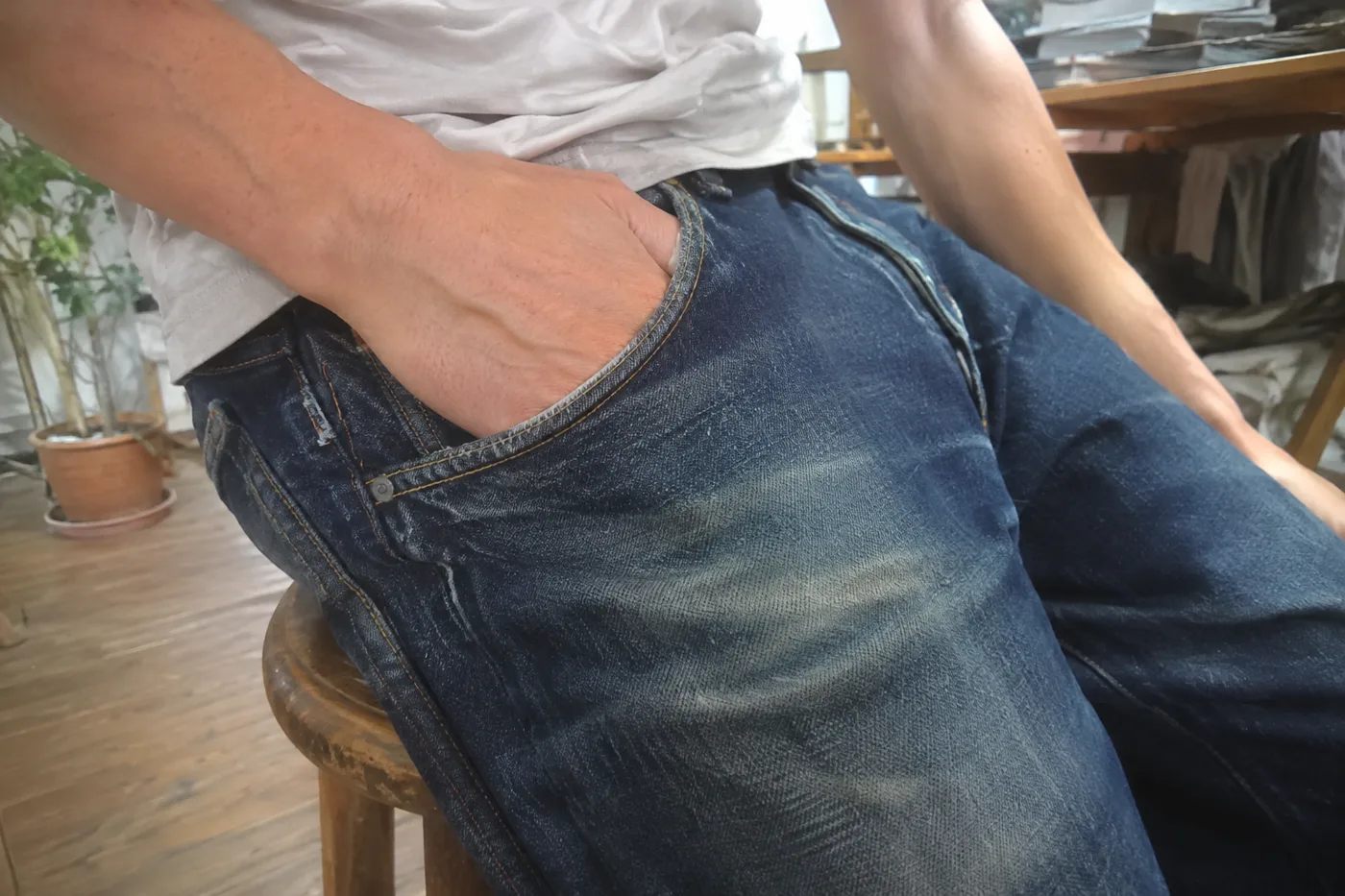
Read the usual pressure points
Look across the front pocket openings, lap folds, knees and hem. A repeated fold often leaves a lighter raised edge. Manufacturers can reproduce many of these effects, so whiskers or sharp contrast are no proof of a particular wearing history. Look at seams, repairs and construction alongside the color.
Turn the legs inside out. At the knee and between the thighs, check whether both yarn directions remain continuous. White threads stretched across a gap can give an attractive distressed appearance, but they no longer form the original complete weave. If the pair will be everyday work trousers, plan support there before the first long wear.
Check the waistband, seat and fly
Fasten the jeans flat. Inspect buttonholes for broken thread and the area around a metal button or rivet for cracking. A loose button with sound fabric beneath it presents a different repair from a button pulling through a growing hole. Run the zip slowly and check that the fly lies flat when closed.
In the seat, compare the area under the back pocket edge with the exposed denim. A lighter shade across the seat may be cosmetic. If light comes through much more readily inside the pale patch, the fabric has physically thinned. Place a contrasting card behind a suspect section for an online seller's photo; it makes gaps easier to see without asking anyone to stress the cloth.
Judge old hems with your shoes on
A strong horizontal fade just above the hem can mark where a cuff was once folded. If you intend to let the cuff down, that line may stay visible. Look for abrasion on the fold itself. The bottom edge can look almost new while the old fold above it has worn through. Try the exact fold or finished length you plan to use.
A previous owner may have shortened the legs while reattaching the original hem. Inspect inside for a second seam and feel its bulk against your ankle. On a tapered leg, moving a hem higher can also change how the opening sits over a boot.
Decide which marks belong in your wardrobe
Map any repairs you would make on paper before agreeing on a price. A patch under one knee, an intact fly and a sound seat can make an interesting, usable pair. Extensive thinning at both knees and the crotch means a larger repair commitment. Wash by the label and be cautious pairing dark denim with pale upholstery until you know whether the dye transfers. Preserve the marks you like and support the weak cloth while there is still strong fabric around it.
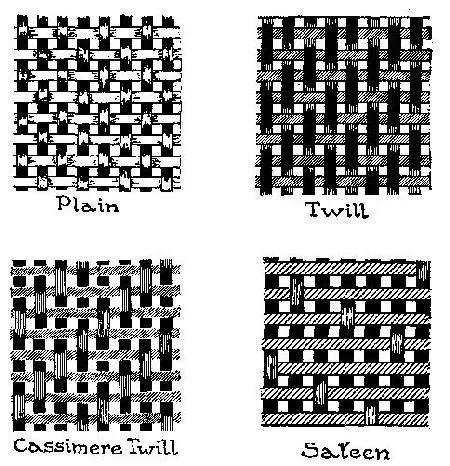
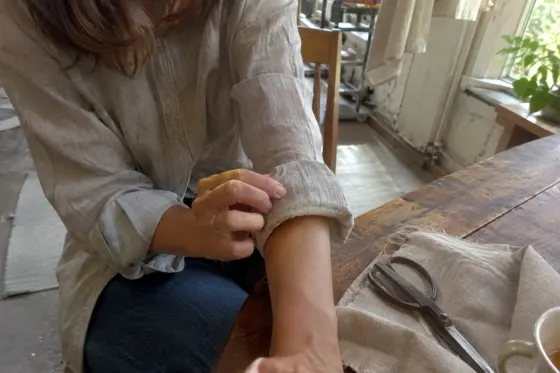 Cloth notes
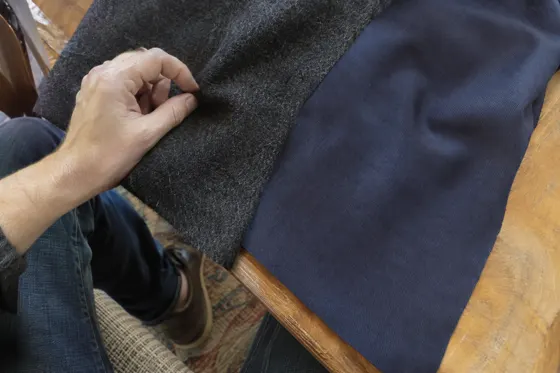 Cloth notes
 Fit room