Where should a shirt cuff sit?
Fit the cuff at your wrist before shortening the sleeve. A shirt can have enough sleeve length for reaching forward while the closed cuff keeps the end in position. An oversized cuff lets all that extra cloth slide onto your hand and makes a reasonable sleeve look too long.
Scovely editors · November 19, 2026
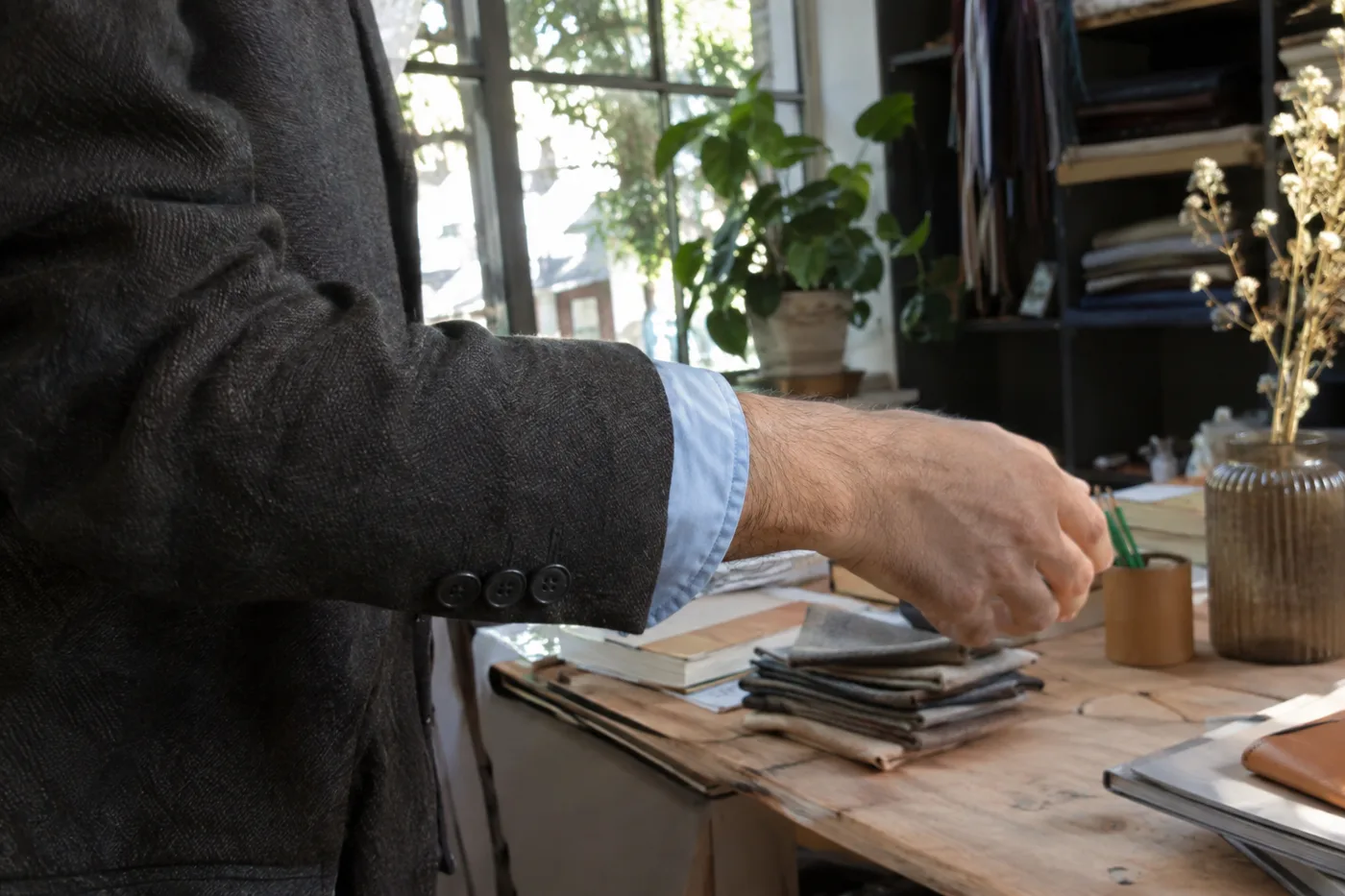
Set the wrist opening
Fasten the cuff on the button you normally use, without rolling it back. Relax your arm and look at where the cuff rests near the base of your hand. It should stay there when you shake hands, while allowing your wrist to bend freely. If it slips over the broad part of your hand with the button closed, try the tighter button where available. Check that the edge does not dig in when typing.
Wear your watch if you use one. A thick watch changes the circumference required on that side. If one cuff stays stuck above the watch and the other drops normally, shortening two identical sleeves would solve the wrong problem. Test both arms with the watch removed to distinguish a cuff issue from a genuine length difference.
Use the reach test
Rest your arms at your sides and look for the amount of fabric above the cuff. A modest fold is useful. Bend the elbow and reach for a shelf or grip a steering wheel. If the cuff retreats far up the forearm and the shoulder seam pulls across the back, the shirt may lack room higher up. Look at the yoke width and sleeve shape before ordering extra length alone.
Straighten the arm again. If a deep stack remains from elbow to wrist even with the cuff fitted, fold the excess up temporarily above the cuff to preview a shorter sleeve. Keep enough to reach. A perfectly taut sleeve in a portrait may become awkward at a desk.
Add the jacket last
Put on a jacket with the shirt cuffs correctly fastened. Let both sleeves settle. Decide whether you like a slight line of shirt showing or a longer jacket sleeve that covers it. Compare sides in a mirror without raising the phone in the hand being measured. If the shirt looks balanced on its own and the problem appears only with one jacket, have the jacket checked first.
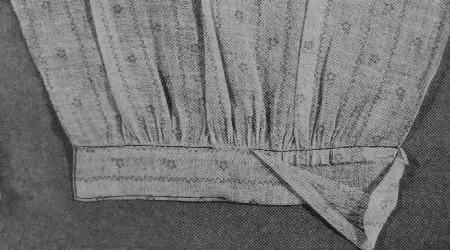
A French cuff has a different depth and stiffness from a single barrel cuff. Put in the actual cufflinks before judging it. A narrow jacket opening can catch the fold and prevent the shirt from returning to its resting position. Test by taking the jacket off and putting it back on once.
What a tailor needs to know
Mark the desired resting point with your arm down, then demonstrate the reach you need. Shortening from the cuff can change the length of a sleeve placket or crowd a decorative detail. Ask to see where the new seam will fall. When ordering another shirt, note how the maker measures sleeve length. A center-back-to-cuff figure includes a shoulder section; a shoulder-seam-to-cuff figure starts farther down the arm. Compare like with like and save both wrist and length measurements.
 Fit room
 Fit room
 Cloth notes